Data Privacy Statistics for Informed Decisions in 2025: Protect Your Online Presence
Overview
In 2025, data privacy is a hot topic. With every click, tap, or post, your personal information is at risk. Data breaches, AI misuse, and sneaky data brokers make it tough to stay safe online. This article dives into the latest data privacy statistics for informed decisions in 2025, shares simple steps to lock down your online privacy, and explains how to set up Incogni to delete personal data. You’ll also discover top online privacy tools to protect yourself.
Why Data Privacy Matters in 2025
I’ve always been careful about what I share online, but a few years ago, I got a spam call that knew my full name and address. It was creepy. That’s when I realized how much of my data was floating around without my consent. In 2025, this problem is bigger than ever. Companies collect everything—your location, search history, even your health data. And they’re not always careful with it.
According to a Pew Research Center survey, 71% of Americans are concerned about how the government uses their data, up from 64% in 2019. Meanwhile, 78% trust themselves to make smart privacy choices, but 61% feel their efforts don’t matter. It’s frustrating, right? You want control, but the system feels rigged.
The rise of AI adds another layer. Cisco’s 2025 Privacy Report shows 91% of organizations admit they need to do more to reassure customers about AI data use. Why? Because 70% of people don’t trust companies to use AI responsibly. These data privacy statistics for informed decisions in 2025 show we’re all worried—and for good reason.

Key Data Privacy Statistics for 2025
Let’s break down the numbers to understand the stakes:
- Widespread Concern: 85% of global adults want to do more to protect their online privacy, per Norton’s 2023 Cyber Safety Insights Report. In the U.S., 73% of consumers are more worried about privacy now than a few years ago.
- AI Anxiety: 57% of global consumers see AI as a major threat to their privacy, according to the International Association of Privacy Professionals.
- Data Breaches: The average cost of a data breach in 2024 was $4.62 million, up 12% from the previous year. Cybercrime costs are expected to hit $10.5 trillion by the end of 2025.
- Mobile Apps: 82.78% of iOS apps (1.55 million) track private user data, with 15.31% using it to track users across platforms, per 42matters.
- Consumer Trust: Only 29% of consumers find it easy to understand how companies protect their data.
These stats hit home for me. After that spam call, I checked my digital footprint and found my info on sketchy people-search sites. It’s unsettling to know your data is out there, sold to the highest bidder.
Simple Steps to Lock Down Your Online Privacy
You don’t need to be a tech wizard to protect yourself. Here are simple steps to lock down your online privacy that I’ve used myself:
- Check Your Digital Footprint: Google your name in quotes (e.g., “John Doe”) to see what’s out there. I was shocked to find my old address on a random site.
- Use Strong Passwords: Use a password manager like LastPass or 1Password. I started using one last year, and it’s a game-changer for keeping unique passwords.
- Enable Two-Factor Authentication (2FA): Add an extra layer of security to your accounts. I use an authenticator app for my email and banking.
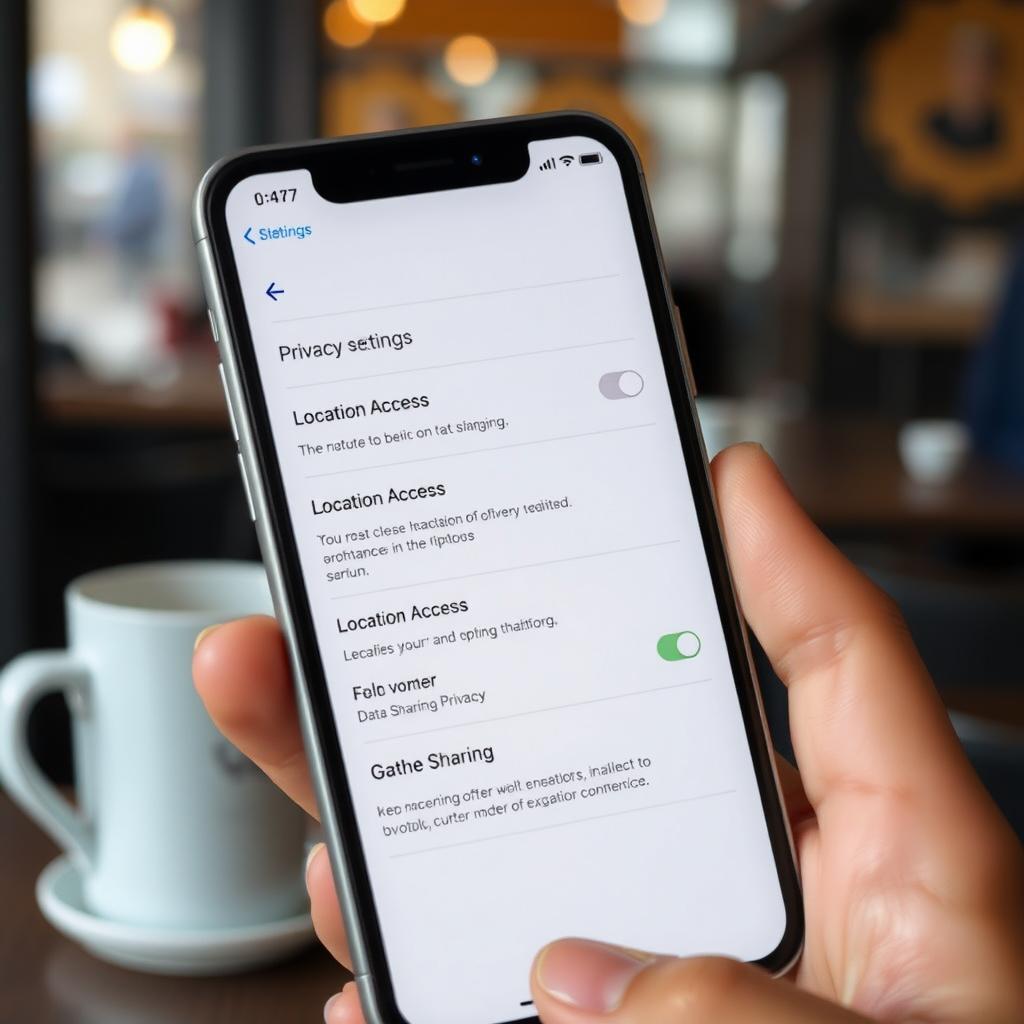
- Limit App Permissions: Review what data your apps access. I turned off location tracking for apps that don’t need it, like games.
- Browse Privately: Use browsers like Brave or Firefox, which block trackers. I switched to Brave, and the ads dropped noticeably.
These steps take minutes but can save you from a privacy nightmare.
How to Set Up Incogni to Delete Personal Data
One of the best online privacy tools I’ve tried is Incogni. It automates the process of removing your data from data brokers—those companies that collect and sell your info. Here’s how to set up Incogni to delete personal data:
- Sign Up: Visit Incogni’s website and create an account. You’ll need to provide your name, email, and address to match your data in broker databases.
- Authorize Incogni: Sign an online authorization form. This lets Incogni act on your behalf to demand data removal.
- Choose a Plan: Pick a plan that fits your needs. The Standard plan ($8.29/month) covers 270+ sites, while the Unlimited plan ($14.99/month) offers custom removals. I went with the Standard plan and saw results in weeks.
- Monitor Progress: Incogni sends regular reports showing which brokers were contacted and what data was removed. I got a report showing 40 sites cleared in a month.
- Stay Consistent: Data brokers can re-collect your info, so Incogni keeps sending requests. I noticed fewer spam emails after a few months.
Incogni uses laws like GDPR and CCPA to enforce removals, making it a powerful tool. It’s saved me hours of manual work.
Top Online Privacy Tools for 2025
Beyond Incogni, here are other online privacy tools I recommend:
- NordVPN: Encrypts your internet connection to hide your activity. I use it when on public Wi-Fi.
- DuckDuckGo: A search engine that doesn’t track you. I switched from Google and love the clean results.
- Privacy Bee: Another data removal service, covering nearly 900 sites. It’s pricier but thorough.
- ProtonMail: Offers end-to-end encrypted email. I use it for sensitive communication.
Each tool serves a purpose. I mix and match them depending on my needs, like using NordVPN for travel and DuckDuckGo daily.

Challenges and Realities of Online Privacy
Here’s the truth: you can’t erase your digital footprint completely. I tried going off the grid, but it’s nearly impossible if you use the internet. Data brokers are relentless, and new ones pop up constantly. That’s why tools like Incogni are so valuable—they keep fighting for you.
Another challenge is AI. Companies are using it to analyze your data in ways you might not expect. For example, 80% of people worry their info will be used in unintended ways, per Pew Research. I’ve stopped sharing personal details with AI chatbots after learning they might store my inputs.
The good news? You’re not powerless. By combining smart habits and the right tools, you can reduce your risks significantly.
Summary
Data privacy in 2025 is a battle, but you can fight back. The data privacy statistics for informed decisions in 2025 show growing concern and real risks, from data breaches to AI misuse. By following simple steps to lock down your online privacy, using tools like Incogni, and staying informed, you can take control. Start small, stay consistent, and protect what’s yours.