The Future of Online Privacy: Trends to Watch in 2025
Overview
The Future of Online Privacy: Trends to Watch in 2025 is a hot topic as our digital lives grow more complex. From new laws to AI-driven tools, staying ahead means understanding what's coming and taking action to protect your data. This article dives into key trends, stats, and simple steps to secure your online presence.
Why Online Privacy Matters More Than Ever
Every click, search, or post you make online leaves a digital footprint. Companies collect this data—your name, address, even your browsing habits—to build detailed profiles. These profiles are often sold to advertisers or, worse, exposed in data breaches. In 2025, the stakes are higher. A 2024 report showed 86% of Americans worry about data privacy, and 67% feel clueless about what companies do with their info. That’s a wake-up call.
I’ve seen friends stress over spam calls or identity theft after their data was leaked. It’s not just annoying—it’s costly. The average data breach in 2024 cost companies $4.62 million, and individuals often pay the price with stolen identities or financial loss. Protecting your privacy isn’t just about peace of mind; it’s about safeguarding your life.

Top Data Privacy Trends for 2025
The Future of Online Privacy: Trends to Watch in 2025 hinges on a few game-changers. Here’s what’s shaping the landscape:
1. Tighter Global Privacy Laws
Governments are cracking down. By 2025, 144 countries have data privacy laws covering 79% of the global population. In the U.S., 21 states have passed privacy laws, like California’s CCPA and Tennessee’s TIPA, effective July 2025. These laws give you rights to access, delete, or opt out of data sales. For example, the CCPA lets Californians demand companies delete their info. I’ve used this right myself—it’s empowering but takes effort to enforce.
2. AI and Privacy Tech
Artificial intelligence is a double-edged sword. It’s used to collect data but also to protect it. By 2025, 60% of large companies will use privacy-enhancing tech like fully homomorphic encryption (FHE), which lets data stay encrypted even during processing. I’ve tested AI-powered scam detectors, and they’re scarily good at spotting phishing emails in real time.
3. Rise of Data Removal Services
Data brokers sell your info to anyone willing to pay. Services like Incogni and DeleteMe fight back by scrubbing your data from these sites. I tried Incogni last year and was shocked to see my info on 79 data broker sites. These tools are becoming must-haves in 2025.
4. Focus on Children’s Privacy
Kids’ data is a hot-button issue. Laws like COPPA are expanding, and 89% of Americans worry about social media platforms tracking kids. New rules, like Australia’s Social Media Minimum Age law, aim to protect younger users. As a parent, I’m relieved to see this focus, but it’s a reminder to check privacy settings on my kids’ devices.
5. Consumer Demand for Transparency
People want control. A 2024 Statista report found 82% of Europeans prefer companies that are upfront about data use. I’ve stopped using apps that hide their privacy policies in fine print. In 2025, businesses that prioritize trust will win out.
Data Privacy Statistics for Informed Decisions in 2025
Numbers don’t lie, and these data privacy statistics for informed decisions in 2025 paint a clear picture:
| Statistic | Source | Insight |
|---|---|---|
| 92% of Americans are concerned about online privacy | Pew Research, 2023 | People are worried but often don’t act. |
| Data breaches cost $4.62 million on average in 2024 | IBM | Breaches hit companies and users hard. |
| 67% of Americans don’t understand company data practices | Pew Research, 2023 | Transparency is a big issue. |
| 144 countries have privacy laws in 2025 | Usercentrics | Global protection is growing. |
| 82% of iOS apps track user data | 42matters | Free apps often come at a privacy cost. |
These stats show why you need to take control. I learned the hard way when a free app shared my location without my consent. Now, I double-check permissions before downloading anything.
Simple Steps to Lock Down Your Online Privacy
You don’t need to be a tech wizard to protect yourself. Here are simple steps to lock down your online privacy:
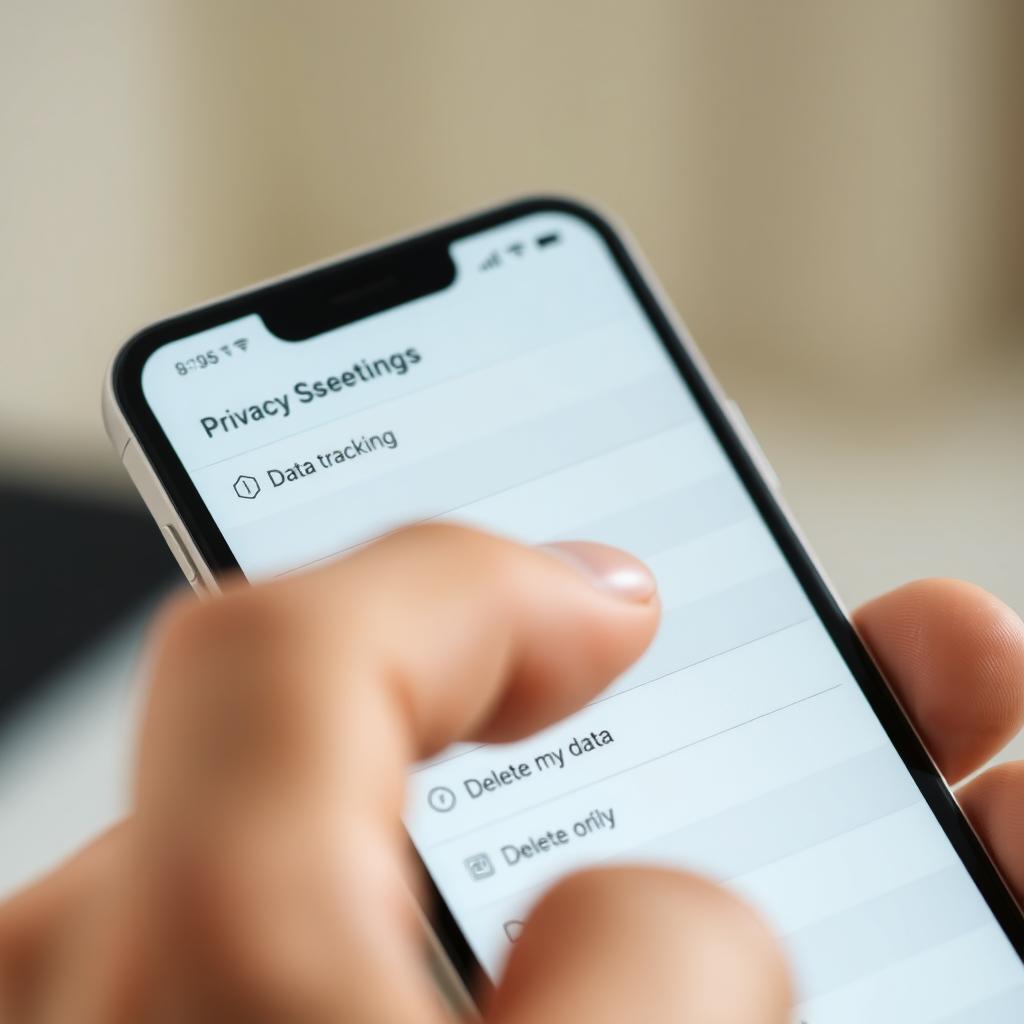
- Review App Permissions: Go to your phone’s settings and check what apps access your location, camera, or contacts. Turn off anything unnecessary. I do this monthly—it takes five minutes.
- Use Strong Passwords: Use a password manager to create and store unique passwords. I use one for all my accounts, and it’s a lifesaver.
- Enable Two-Factor Authentication (2FA): Add an extra layer of security to your accounts. I’ve had hackers try to access my email, but 2FA stopped them.
- Limit Social Media Sharing: Set your profiles to private and avoid posting sensitive info like your address. I learned this after a friend’s public post led to a scam attempt.
- Use a VPN: A virtual private network hides your online activity. I use one on public Wi-Fi to keep my data safe.
- Opt Out of Data Sharing: Use your rights under laws like CCPA to demand companies stop selling your data. I’ve done this with a few retailers—it works.
How to Set Up Incogni to Delete Personal Data
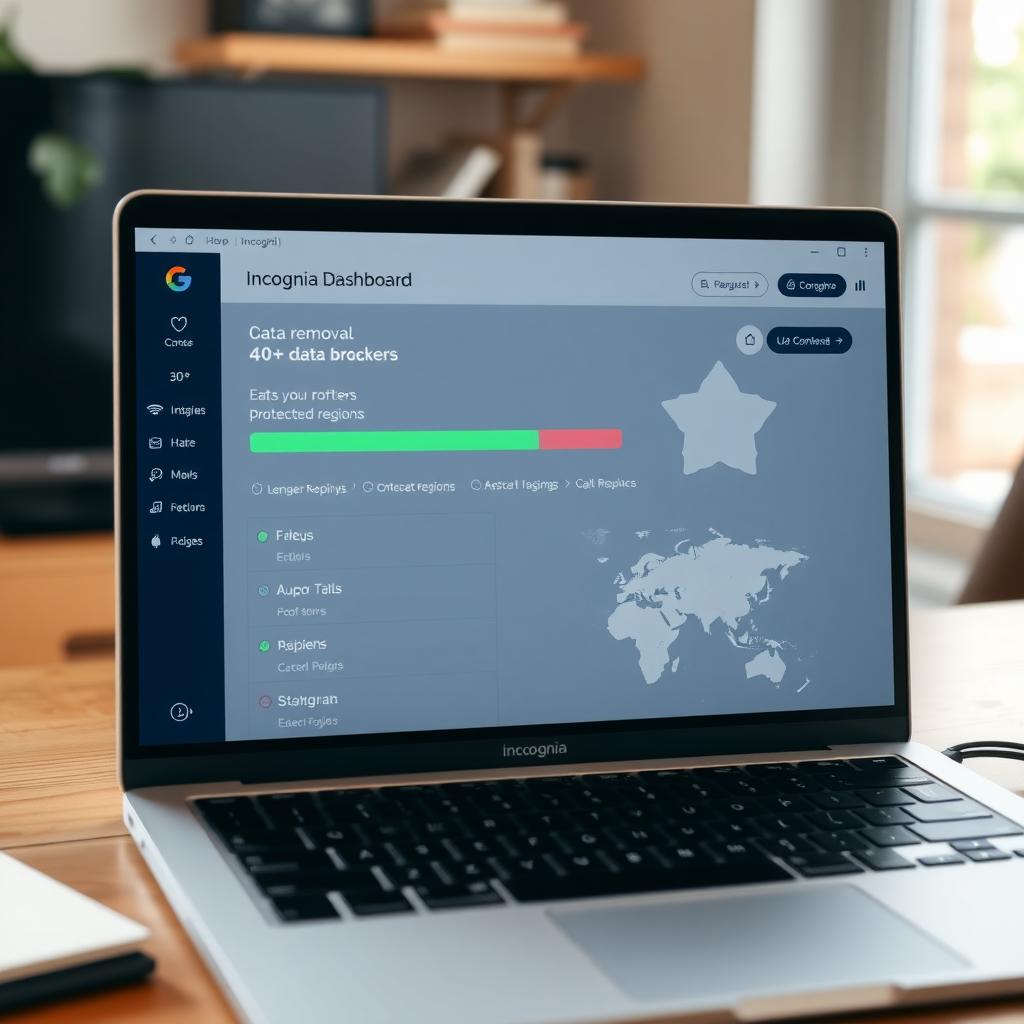
Incogni is one of the best online privacy tools for removing your info from data brokers. Here’s how to set up Incogni to delete personal data:
- Sign Up: Visit Incogni’s website and choose a plan. The standard plan ($7.99/month) covers most needs.
- Provide Info: Enter your name, email, and address. Add past addresses or phone numbers for a deeper search. I included my old college address, which uncovered more data.
- Authorize: Sign an online form to let Incogni act on your behalf. It’s quick and secure.
- Monitor Progress: Incogni sends regular reports showing which brokers they’ve contacted. In my test, they removed my data from 40 sites in a month.
- Stay Vigilant: Incogni keeps scanning for new brokers. Check their reports to ensure your info stays off the web.
I was skeptical at first, but seeing my data disappear from sketchy sites gave me peace of mind. It’s not perfect—some brokers take weeks—but it’s a solid start.
Other Online Privacy Tools to Consider
Beyond Incogni, other online privacy tools can help:
- DeleteMe: Covers more sites (750+) but is pricier ($129/year). Great for thorough cleanups.
- Privacy Bee: Targets nearly 900 sites, ideal for maximum coverage.
- Mozilla Monitor Plus: Affordable ($107.88/year) with decent broker removal.
- VPNs like Surfshark: Encrypt your internet connection for daily browsing.
I’ve tried DeleteMe alongside Incogni. DeleteMe’s human-driven approach is slower but catches obscure sites. Pick based on your budget and needs.
Challenges and Opportunities in 2025
The future isn’t all rosy. Data breaches are expected to cost $10.5 trillion annually by 2025, and AI could make scams smarter. But there’s hope. Tools like FHE and data clean rooms are game-changers for secure data use. Plus, as consumers demand transparency, companies are forced to step up. I’ve noticed more apps offering clear privacy options, which is a win.
Still, you’ve got to stay proactive. I set a reminder to check my privacy settings every three months. It’s a small habit that makes a big difference.
Summary
The Future of Online Privacy: Trends to Watch in 2025 shows a world where laws, tech, and consumer power are reshaping how we protect our data. From stricter regulations to tools like Incogni, you have more control than ever. Start with simple steps—check permissions, use strong passwords, and consider a data removal service. Stay informed, stay vigilant, and take charge of your digital life.