Understanding Data Brokers and How to Opt Out: Take Back Your Privacy in 2025
Quick Overview
Data brokers quietly collect and sell your personal details, from shopping habits to home address. This guide explains how they work and shares actionable ways to opt out, helping you lock down your online presence and boost your privacy today. (About 40 words)
What Are Data Brokers?
Data brokers are companies that gather huge amounts of personal information about people. They pull data from public records, social media, online shopping, and more. Then they package it into profiles and sell it to advertisers, insurers, or even background check firms.
These companies often work in the shadows. You probably never signed up with them directly, yet they build detailed pictures of your life. In 2025, with more online activity than ever, their reach keeps growing.

How Do Data Brokers Collect Your Data?
They use many sources:
- Public records – Property ownership, court filings, voter registrations.
- Online activity – Browsing history, app usage, social media posts.
- Purchases and loyalty programs – What you buy and where.
- Third-party sharing – Data from partners or other companies.
Once collected, they analyze it to create segments like "health-conscious parent" or "luxury traveler." These profiles help buyers target ads or assess risks.
The scary part? You rarely know who has your info or how they use it. This lack of transparency can lead to targeted scams, higher insurance rates, or even discrimination.
Why Should You Care About Data Brokers?
Your data fuels personalized marketing, but it also creates risks. Exposed info raises chances of identity theft or stalking. Some brokers sell sensitive details, like health interests or financial status.
In my experience, once I started checking my own data online, I found old addresses and phone numbers listed on sites I never visited. It felt invasive. Taking action gave me real peace of mind.
Simple Steps to Lock Down Your Online Privacy
You can fight back without becoming a tech expert. Start with these basics:
- Use strong, unique passwords for every account.
- Turn on two-factor authentication everywhere possible.
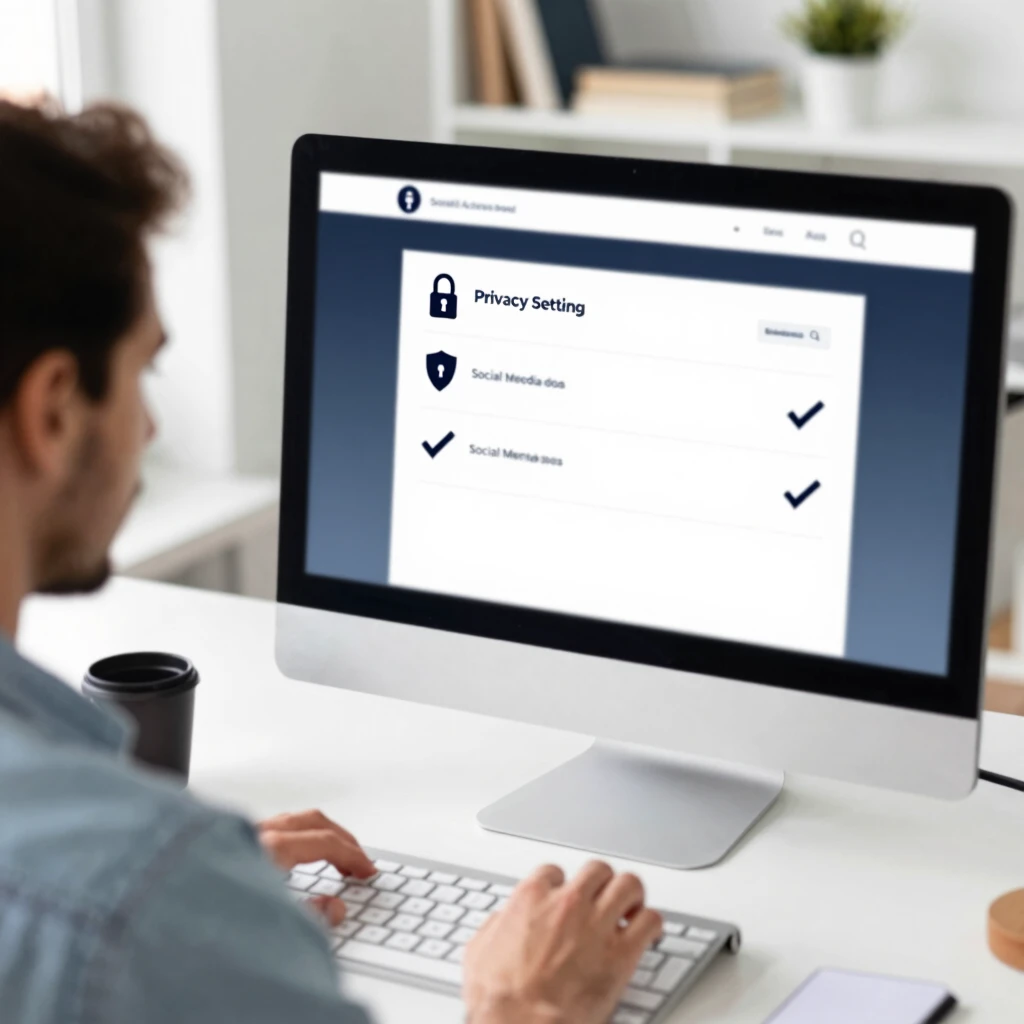
- Limit what you share on social media – make profiles private.
- Opt out of targeted ads on platforms like Google and Meta.
- Use privacy-focused browsers and extensions to block trackers.
These steps form Simple Steps to Lock Down Your Online Privacy and reduce new data collection.
How to Opt Out Manually from Data Brokers
Manual opt-outs take time but cost nothing. Search for "[broker name] opt-out" and follow their process. Common sites include Spokeo, Whitepages, and Intelius.
Tips: - Keep a list or spreadsheet of requests. - Verify your identity when asked. - Check back after 30-45 days, as some re-add data.
Laws like CCPA in California help, and more states add protections in 2025. Still, manual work is endless because new brokers appear and data recirculates.
How to Set Up Incogni to Delete Personal Data
For easier results, try automated services. Incogni stands out as a strong online privacy tool.
Here's how to get started:
- Visit Incogni's site and sign up for a plan.
- Provide basic info (name, email, address, phone) – they need it to match and remove your data.
- Authorize them to send opt-out requests.
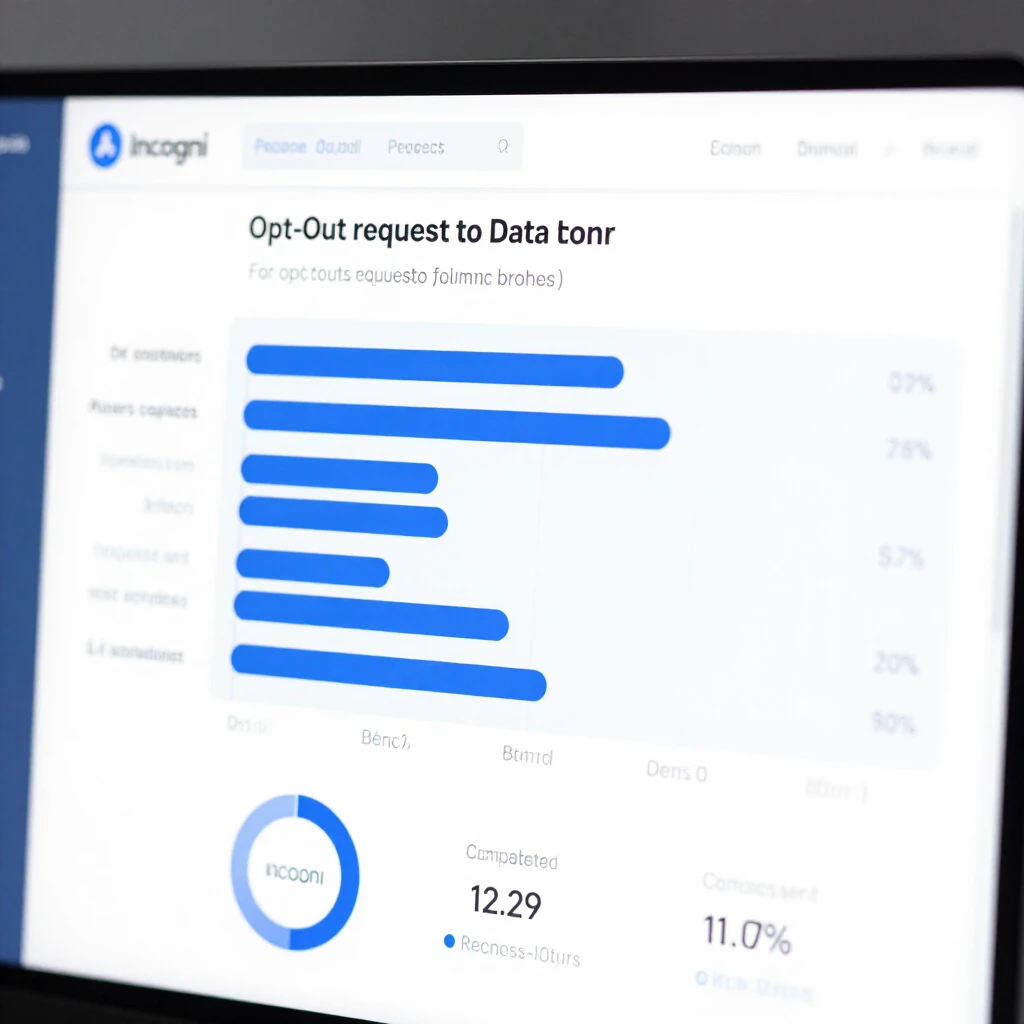
- Monitor the dashboard for progress – they handle 420+ brokers and repeat requests regularly.
Users report seeing hundreds of requests sent quickly. It's hands-off and effective for ongoing protection. Many reviews praise its simplicity and results.
More Online Privacy Tools to Consider
Beyond Incogni, try these:
- VPNs – Hide your IP and encrypt traffic.
- Ad blockers like uBlock Origin.
- Password managers for secure logins.
- Secure browsers like Firefox with privacy tweaks.
Combine tools for stronger defense. Online privacy tools like these help you maintain control long-term.
Final Thoughts
Data brokers profit from your info without asking. But you can push back. Start small – adjust social settings, then opt out manually or use a service like Incogni. These actions help you lock down your online presence and reduce risks.
Privacy isn't a one-time fix; make it a habit. You'll feel more secure knowing less of your life is for sale.