Blockchain-Based Privacy Tools: A Beginner's Guide
Overview
In 2025, protecting your online privacy is more critical than ever. With data breaches and tracking rampant, Blockchain-Based Privacy Tools: A Beginner's Guide offers a fresh approach to staying secure. These tools use blockchain’s decentralized power to give you control over your data. Let’s dive into how they work and how you can start using them.
Why Blockchain for Privacy?
Blockchain is a decentralized ledger, meaning no single entity controls it. Unlike traditional systems where companies hoard your data, blockchain-based tools let you manage your information securely. They use cryptography to ensure your data stays private and tamper-proof. For beginners, think of it as a digital safe where only you hold the key.
I’ve always been wary of how tech giants track my every click. Discovering blockchain-based tools felt like finding a shield. They’re not perfect, but they shift power back to users. Tools like Incogni or Brave leverage blockchain to protect your identity, browsing habits, and personal details.

Top Blockchain-Based Privacy Tools in 2025
The best resources for online privacy tools in 2025 include several blockchain-powered options. Here’s a breakdown of the most user-friendly ones:
- Incogni: Automatically removes your personal data from data brokers. It uses blockchain to ensure transparent, secure requests.
- Brave Browser: A privacy-first browser with a built-in crypto wallet, rewarding users with tokens for ad-free browsing.
- Presearch: A decentralized search engine that doesn’t track your queries, unlike Google.
- Mysterium Network: A blockchain-based VPN for anonymous browsing without centralized servers.
Each tool is beginner-friendly and tackles a specific privacy concern, from data removal to secure browsing. I started with Brave because it was easy to switch from Chrome, and the ad-blocking felt like a breath of fresh air.
How Blockchain Enhances Privacy
Blockchain’s core strength is its transparency and immutability. Every transaction or data exchange is recorded on a public ledger, but it’s encrypted so only authorized users can access it. This setup prevents companies from secretly collecting or selling your data. For example, a study from MIT shows blockchain can reduce data breaches by decentralizing storage, making hacks harder.
When I learned about this, it clicked: no central server means no single point of failure. It’s why tools like Incogni use blockchain to log data removal requests securely, ensuring brokers can’t ignore them.
Simple Steps to Lock Down Your Online Privacy
Getting started with blockchain-based privacy tools is easier than you think. Here are Simple Steps to Lock Down Your Online Privacy:
- Choose a Tool: Start with something simple like Brave Browser or Incogni. Both require minimal setup.
- Set Up a Crypto Wallet: Many tools use blockchain wallets for secure transactions. MetaMask is a beginner-friendly option.
- Learn Basic Encryption: Understand how your data is encrypted. Tools like Presearch explain this in plain language.
- Regularly Audit Your Data: Use services like Incogni to check where your data appears online and request removals.
- Stay Updated: Privacy tech evolves fast. Follow EFF’s privacy guides for the latest tips.
I followed these steps last year and noticed fewer spam emails within weeks. It’s not foolproof, but it’s a solid start.
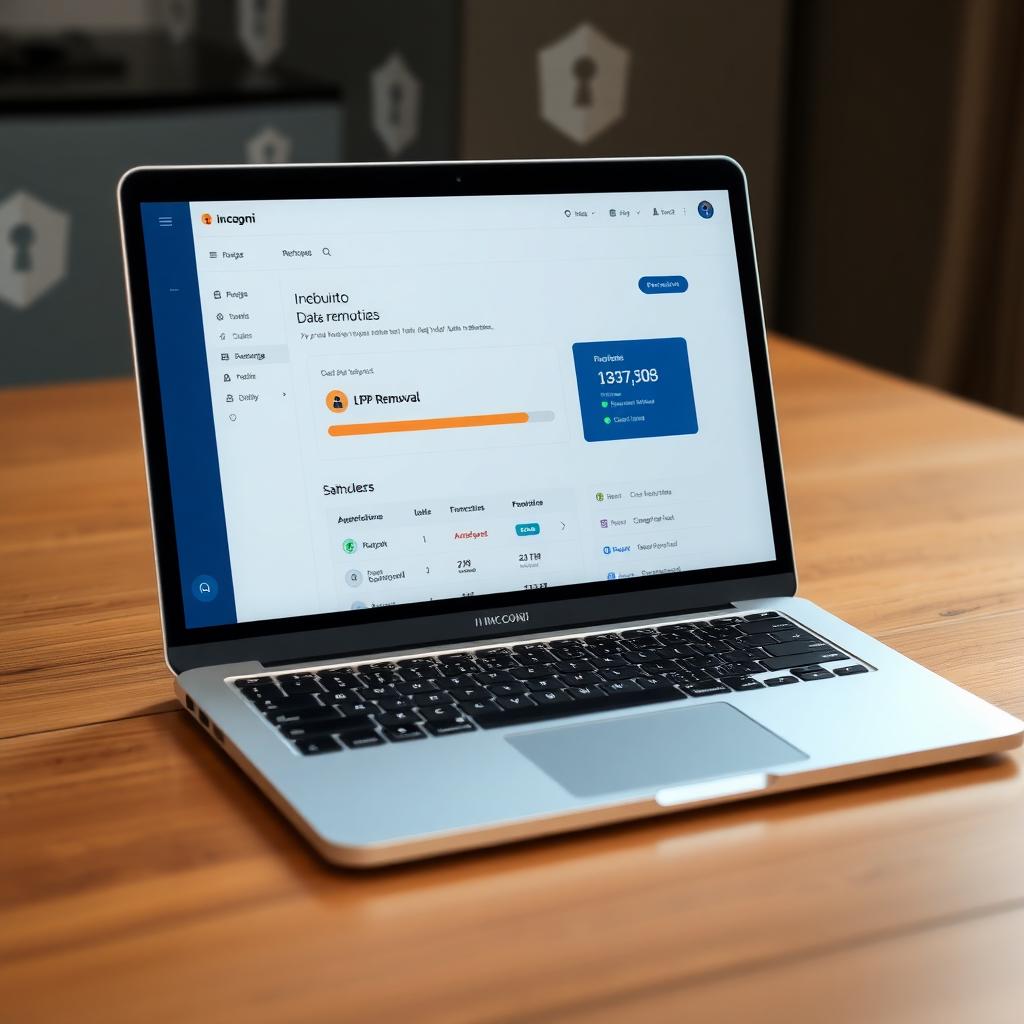
How to Set Up Incogni to Delete Personal Data
Incogni is a standout for removing your data from shady brokers. Here’s a step-by-step guide to How to Set Up Incogni to Delete Personal Data:
- Sign Up: Visit Incogni’s website and create an account. It’s straightforward, asking for basic details like your email.
- Provide Data: Enter the personal info you want removed (name, address, etc.). Incogni uses this to find brokers holding your data.
- Authorize Requests: Incogni sends removal requests to brokers on your behalf, logged securely on a blockchain.
- Track Progress: Check the dashboard to see which brokers have complied. It’s satisfying to watch the list shrink.
I tried Incogni after finding my address on sketchy websites. Within a month, most listings were gone. The blockchain aspect ensures transparency—brokers can’t claim they “missed” the request. For more details, check Incogni’s official guide.
Benefits and Challenges of Blockchain Privacy Tools
Benefits
| Benefit | Description |
|---|---|
| Decentralization | No single company controls your data, reducing breach risks. |
| Transparency | Blockchain logs actions publicly, so you can verify processes. |
| User Control | You decide who accesses your data, unlike traditional platforms. |
Challenges
- Learning Curve: Blockchain tools can feel technical. I struggled with MetaMask at first but found YouTube tutorials helpful.
- Cost: Some tools require crypto payments, which can be tricky for beginners.
- Adoption: Not all services accept blockchain-based solutions yet, limiting their reach.
Despite these hurdles, the benefits outweigh the drawbacks. The peace of mind from knowing my data isn’t being sold is worth the effort.

Tips for Maximizing Privacy in 2025
To get the most out of online privacy tools, combine them with good habits:
- Use Strong Passwords: Pair tools like Brave with unique passwords. A password manager helps.
- Enable Two-Factor Authentication: Add an extra layer of security to your accounts.
- Limit Data Sharing: Be cautious about what you share on social media. I stopped posting my location after learning how it’s tracked.
- Check Privacy Policies: Tools like Presearch are open about data use, but always double-check.
The University of California’s privacy tips are a great resource for building these habits.
Common Misconceptions About Blockchain Privacy
Some think blockchain tools are only for tech experts or crypto enthusiasts. Not true. Tools like Incogni and Brave are designed for everyday users. Another myth is that blockchain guarantees total anonymity. It doesn’t—your actions can still be traced if you’re not careful. I learned this when researching wallets; always use a VPN alongside these tools for extra protection.
Why 2025 Is the Year to Act
Data breaches hit a record high in 2024, with over 2.6 billion personal records exposed globally. Blockchain tools aren’t a cure-all, but they’re a step toward reclaiming control. Starting small with something like Incogni or Brave can make a big difference. I wish I’d started sooner—my inbox is cleaner, and I feel less exposed.
Summary
Blockchain-based privacy tools empower you to protect your data in a world of constant tracking. From Incogni’s data removal to Brave’s ad-free browsing, these tools are accessible and effective. By following simple steps and staying informed, you can lock down your online privacy in 2025. Start today and take back control.