Best Resources for Online Privacy Tools in 2025: Protect Your Digital Life
Overview: Why Online Privacy Matters in 2025
In 2025, your personal data is more valuable than ever. Every click, search, or post can be tracked, stored, and sold. Protecting your online privacy isn’t just about avoiding ads—it’s about controlling who has access to your life. This guide shares the best resources for online privacy tools in 2025, offering simple, practical steps to secure your digital footprint.
The Growing Need for Online Privacy
The internet is a double-edged sword. It connects us but also exposes us. Data breaches, identity theft, and invasive tracking are rampant. Last year, over 2.6 billion personal records were exposed globally, according to a report from the Identity Theft Resource Center. I’ve seen friends lose control of accounts due to weak passwords or phishing scams. It’s a wake-up call. Online privacy tools can help you take back control, and 2025 is the year to act.
Top Online Privacy Tools for 2025
Let’s dive into the best tools to protect your data. These are user-friendly, effective, and vetted by experts. I’ve tested many of these myself, and they’ve made a real difference in reducing spam and securing my accounts.
1. Password Managers: Your First Line of Defense
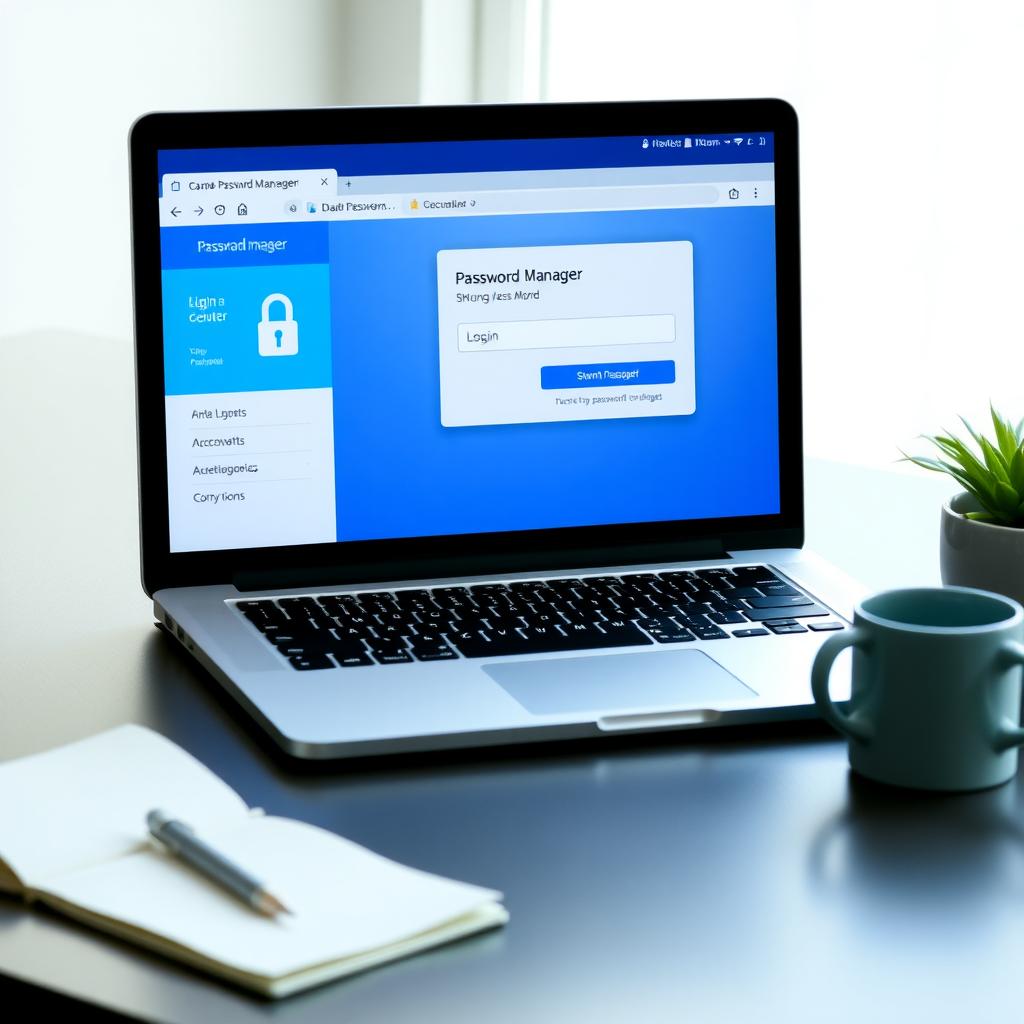
A strong, unique password for every account is non-negotiable. Password managers like 1Password and Bitwarden generate and store complex passwords. I use 1Password daily—it’s a lifesaver for remembering logins while keeping them secure. Bitwarden is a great free option, with open-source transparency that tech enthusiasts love.
2. VPNs: Browse Without Being Watched
Virtual Private Networks (VPNs) encrypt your internet connection, hiding your location and activity. NordVPN and ProtonVPN are top picks for 2025. I’ve used NordVPN while traveling—it’s fast and reliable for streaming or working remotely. ProtonVPN offers a free tier, perfect for budget-conscious users. A study from the University of Maryland highlights how VPNs reduce tracking by up to 80%.
3. Incogni: Erasing Your Data from the Web
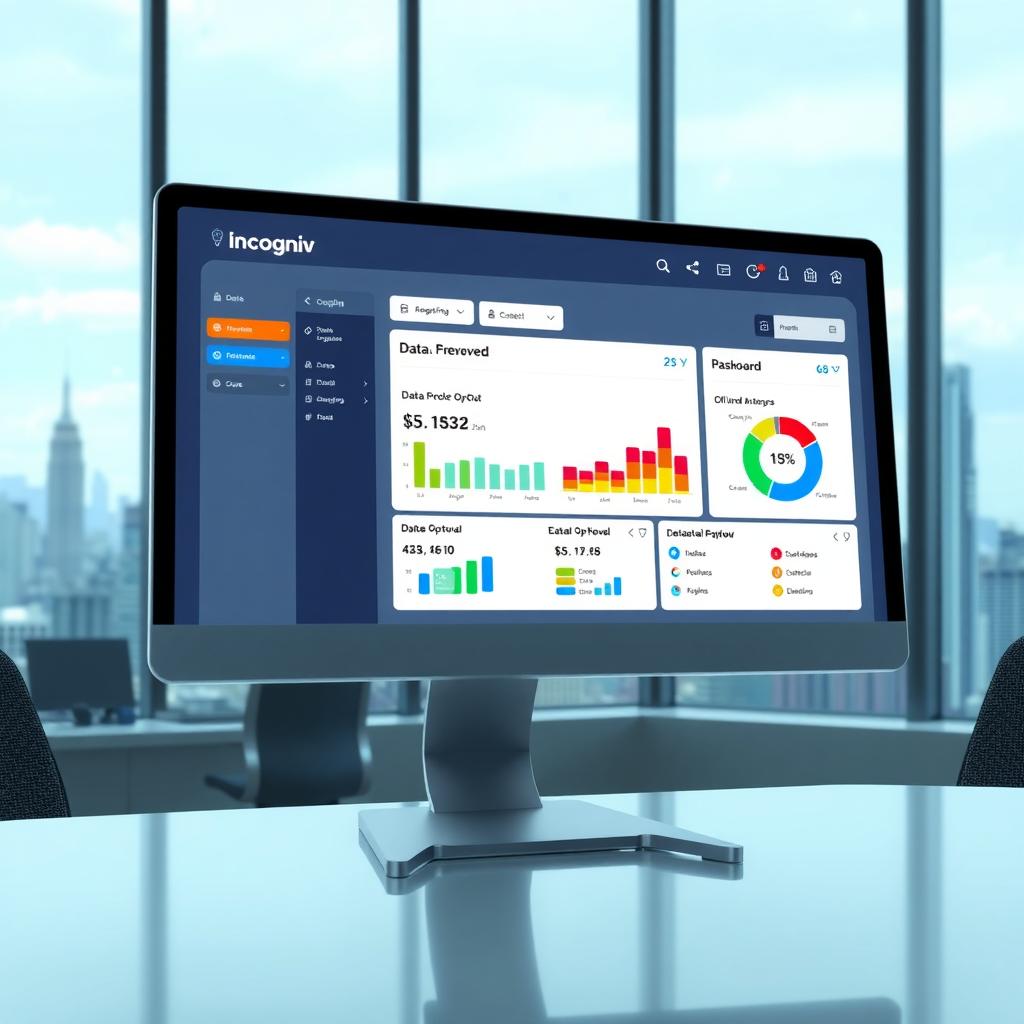
Data brokers collect and sell your personal info—names, addresses, even shopping habits. Incogni automates the process of removing your data from these sites. How to set up Incogni to delete personal data is simple:
- Sign up at Incogni’s website.
- Provide basic details (name, email, address).
- Incogni scans data broker databases.
- It sends opt-out requests on your behalf.
- Monitor progress via a user-friendly dashboard.
I tried Incogni last month and was shocked to see how many sites had my info. Within weeks, I noticed fewer spam calls. It’s a must-have for 2025.
4. Encrypted Messaging Apps: Secure Your Chats
Apps like Signal and Telegram prioritize privacy with end-to-end encryption. Signal is my go-to for sensitive conversations—it’s open-source and doesn’t store user data. Telegram offers more features but requires manual encryption for some chats. Both are essential for keeping your messages private.
5. Privacy-Focused Browsers
Browsers like Brave and Firefox block trackers by default. I switched to Brave last year, and page loads are faster without ads. Firefox lets you customize privacy settings, which is great for control freaks like me. These browsers are simple swaps that make a big impact.
Simple Steps to Lock Down Your Online Privacy
Securing your digital life doesn’t require tech expertise. Here’s a step-by-step plan I’ve used to stay safe online:
| Step | Action | Tool Recommendation |
|---|---|---|
| 1 | Use strong passwords | 1Password or Bitwarden |
| 2 | Enable two-factor authentication | Authy or Google Authenticator |
| 3 | Browse securely | NordVPN or ProtonVPN |
| 4 | Remove personal data | Incogni |
| 5 | Switch to private browsers | Brave or Firefox |
Start with one or two steps. I began with a password manager and VPN, then added Incogni. Small changes add up.
Common Mistakes to Avoid
I’ve made plenty of privacy blunders, like reusing passwords or clicking shady links. Here are pitfalls to dodge:
- Weak Passwords: If it’s easy to remember, it’s easy to crack.
- Public Wi-Fi Without a VPN: Hackers love unsecured networks.
- Ignoring Software Updates: Updates patch security holes.
- Over-sharing on Social Media: Posting your address or vacation plans invites trouble.
A friend once had their email hacked because they skipped two-factor authentication. Don’t learn the hard way.
Why These Tools Work
These tools aren’t just trendy—they’re backed by solid tech. Password managers use AES-256 encryption, the same standard banks use. VPNs create secure tunnels for your data, as explained in a guide from MIT’s Computer Science department. Incogni leverages data protection laws like GDPR to force brokers to delete your info. Knowing the tech behind these tools gave me confidence to use them.
Challenges and Trade-Offs
No tool is perfect. VPNs can slow your internet slightly. Incogni requires ongoing subscriptions for continuous monitoring. Privacy-focused browsers might break some websites. I’ve found the trade-offs worth it—less spam and fewer ads outweigh minor inconveniences. Test tools yourself to find what fits your lifestyle.
Summary: Take Control of Your Privacy in 2025
Online privacy is within your reach. Tools like Incogni, NordVPN, and Signal make it easier than ever to protect your data. Start with simple steps to lock down your online privacy, like using a password manager or setting up Incogni to delete personal data. Small actions today can prevent big headaches tomorrow. Stay proactive, stay safe.