Understanding Online Privacy: A Comprehensive Guide for Beginners
Overview: Why Online Privacy Matters
In today’s digital world, every click, search, or post leaves a trace. Understanding Online Privacy is crucial because your personal data—your name, location, or even your shopping habits—can be collected, shared, or misused without your knowledge. This article dives into what online privacy means, how laws like GDPR protect you, and which tools can keep your data safe. Whether you’re new to the topic or looking to strengthen your defenses, you’ll find practical steps to take control of your digital footprint.
What Is Online Privacy?
Online privacy is about controlling what personal information you share on the internet and who can access it. Every time you browse a website, use an app, or post on social media, you’re sharing data. Companies, advertisers, and sometimes hackers can track this information. For example, I once noticed ads for a product I’d only mentioned in a private message. It was a wake-up call that my data wasn’t as private as I thought.
Privacy isn’t just about hiding; it’s about choice. You decide what to share and with whom. But without the right knowledge or tools, you might be exposing more than you realize.
Why Should You Care About Online Privacy?
Your data is valuable. Companies use it to target ads, but in the wrong hands, it can lead to identity theft or fraud. A 2023 study by the Pew Research Center found that 67% of Americans believe they have little to no control over how their data is used. That’s a scary thought. Losing control of your information can also affect your job, relationships, or finances.
I learned this the hard way when a friend’s email was hacked. The hacker used personal details from her account to scam her contacts. It showed me how one small privacy slip can ripple outward. Protecting your data isn’t just about you—it’s about keeping your loved ones safe too.
Understanding GDPR: A Comprehensive Guide
One of the most important laws protecting your data is the General Data Protection Regulation (GDPR). Introduced in the European Union in 2018, GDPR sets strict rules for how companies collect, store, and use personal data. It applies to any business handling EU citizens’ data, no matter where the company is based.
GDPR gives you rights like: - Right to Access: You can ask companies what data they have about you. - Right to Be Forgotten: You can request your data be deleted. - Right to Consent: Companies must ask for clear permission to use your data.
For example, GDPR forced websites to add those annoying cookie consent pop-ups. While they can be a hassle, they’re a step toward giving you control. Learn more about GDPR from the European Commission’s official site.
Understanding GDPR is key because it’s a global benchmark. Even if you’re not in the EU, many companies follow its rules to stay compliant.
Online Privacy Laws Around the World
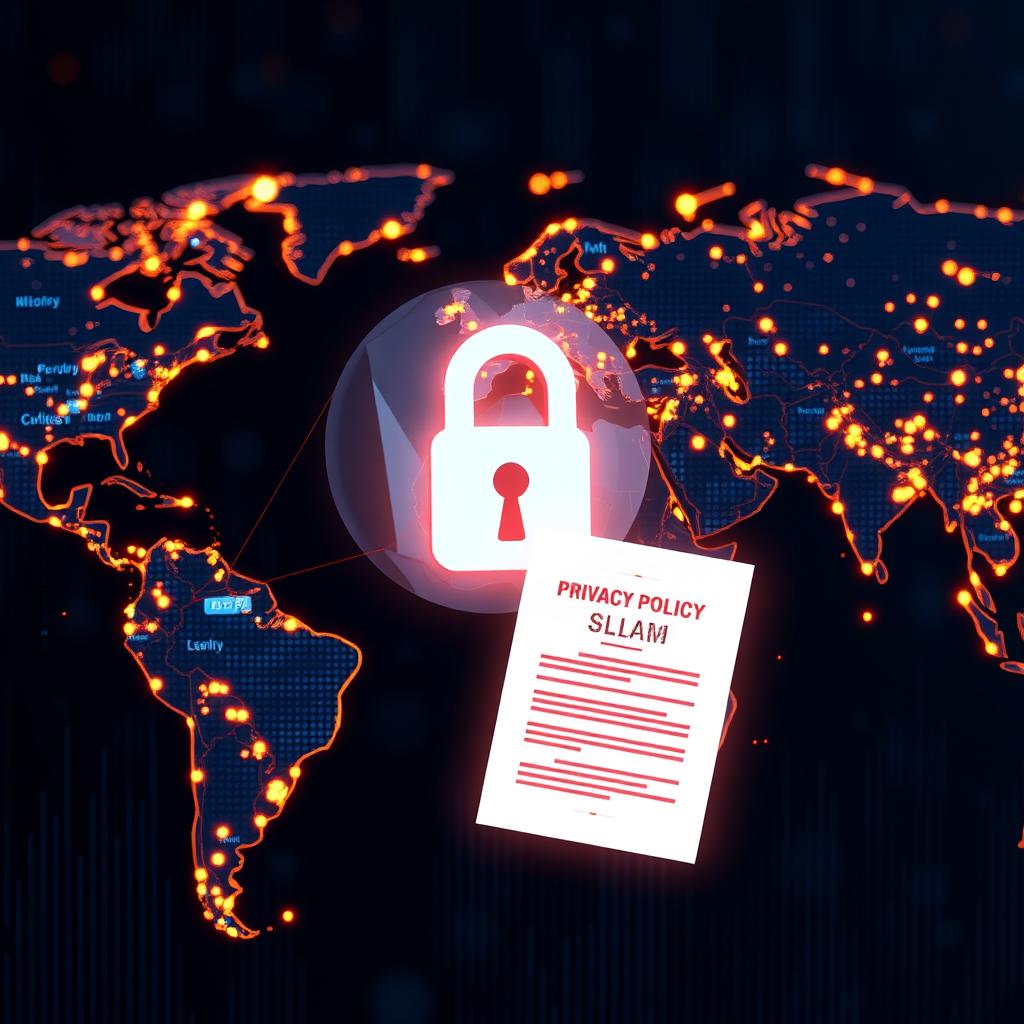
Privacy laws vary by country, but they’re all trying to catch up with the digital age. Here’s a quick look at some key laws:
| Country/Region | Law | Key Features |
|---|---|---|
| European Union | GDPR | Strict consent rules, right to data deletion |
| United States | CCPA | California’s law gives residents data access and opt-out rights |
| Canada | PIPEDA | Requires businesses to protect personal data |
| Australia | Privacy Act | Regulates data handling by businesses |
The International Association of Privacy Professionals tracks global privacy laws and is a great resource for staying updated. Not every country has strong protections, so you need to take responsibility for your own privacy, no matter where you live.
Essential Online Privacy Tools for Beginners
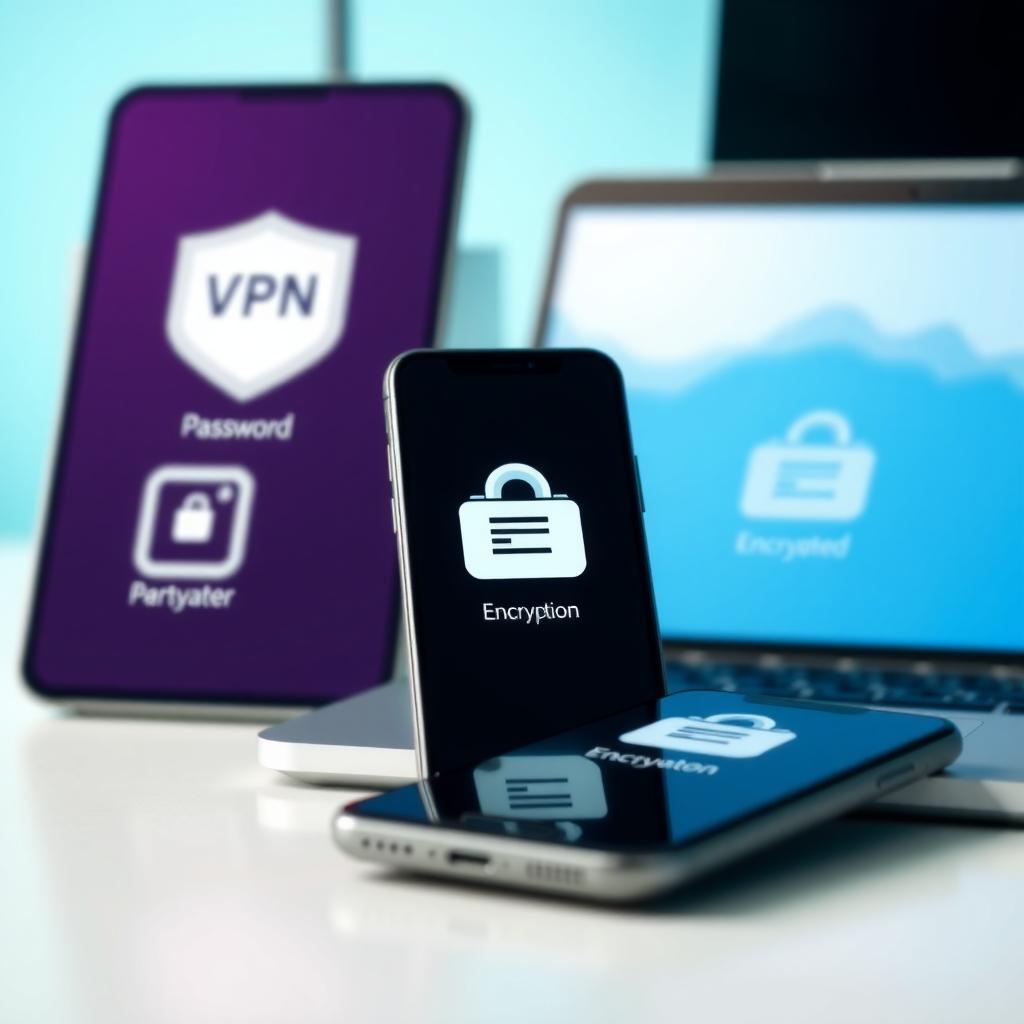
You don’t need to be a tech expert to protect your data. Here are some essential online privacy tools that are easy to use:
- Password Managers: Tools like LastPass or Bitwarden create and store strong passwords. I started using one after reusing the same weak password for years—bad move!
- Virtual Private Networks (VPNs): A VPN hides your internet activity. NordVPN or ProtonVPN are solid choices for beginners.
- Ad Blockers: Tools like uBlock Origin stop trackers from following you across websites.
- Encrypted Messaging Apps: Signal or Telegram offer secure chats that keep your messages private.
These online privacy tools are like locks on your digital doors. Start with one or two, and you’ll notice a difference. For example, after installing a VPN, I stopped seeing hyper-localized ads that felt way too personal.
Practical Tips to Protect Your Online Privacy
Beyond tools, small habits can make a big difference. Here’s what I’ve learned works:
- Check App Permissions: Go to your phone’s settings and see which apps access your camera, location, or contacts. Turn off anything unnecessary.
- Use Two-Factor Authentication (2FA): This adds an extra step, like a code sent to your phone, to log into accounts.
- Be Wary of Public Wi-Fi: Avoid sensitive tasks, like banking, on public networks unless you’re using a VPN.
- Read Privacy Policies: I know it’s boring, but skimming a website’s policy can reveal how they handle your data.
When I started checking app permissions, I was shocked to see a game accessing my location 24/7. Turning that off felt empowering.
Common Privacy Mistakes to Avoid
Even privacy-conscious people slip up. Here are mistakes I’ve made or seen others make:
- Oversharing on Social Media: Posting your location or personal details can make you a target.
- Ignoring Software Updates: Updates often fix security holes. Keep your devices current.
- Using Weak Passwords: If your password is “password123,” it’s time for a change.
A friend once posted vacation photos in real-time, only to come home to a burgled house. Privacy isn’t just digital—it’s about your real-world safety too.
The Future of Online Privacy
Privacy is evolving. New laws are popping up, and tech companies face more pressure to be transparent. But as artificial intelligence and data collection grow, so do the risks. Staying informed is your best defense. Resources like the Electronic Frontier Foundation offer great tips on keeping up with privacy trends.
I’ve made it a habit to check privacy news once a month. It’s like a quick health check for my digital life.
Summary: Take Control of Your Data
Understanding Online Privacy means knowing your data, your rights, and your tools. Laws like GDPR and tools like VPNs give you power, but it’s up to you to use them. Start small—try a password manager or check your app permissions. Every step counts. Your privacy is worth protecting, and with the right habits, you can stay one step ahead of data collectors.